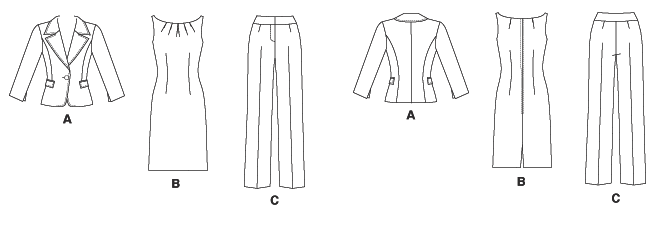
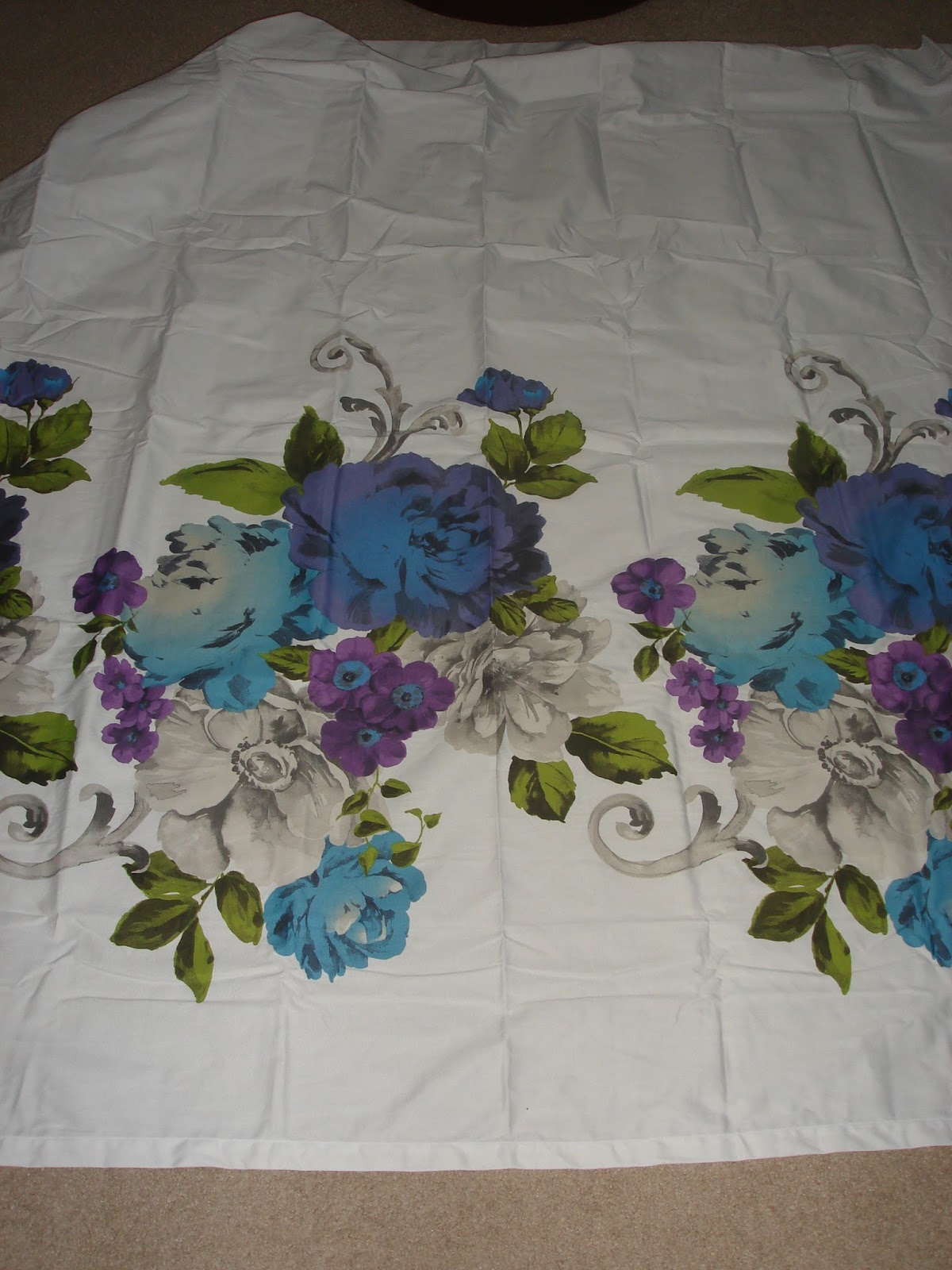
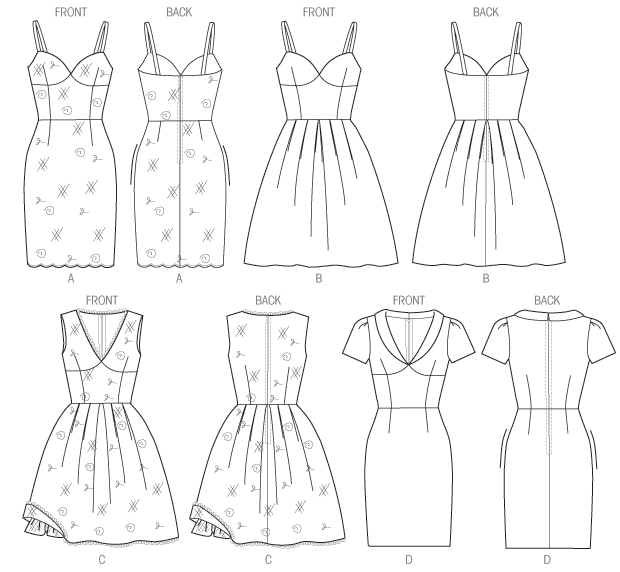
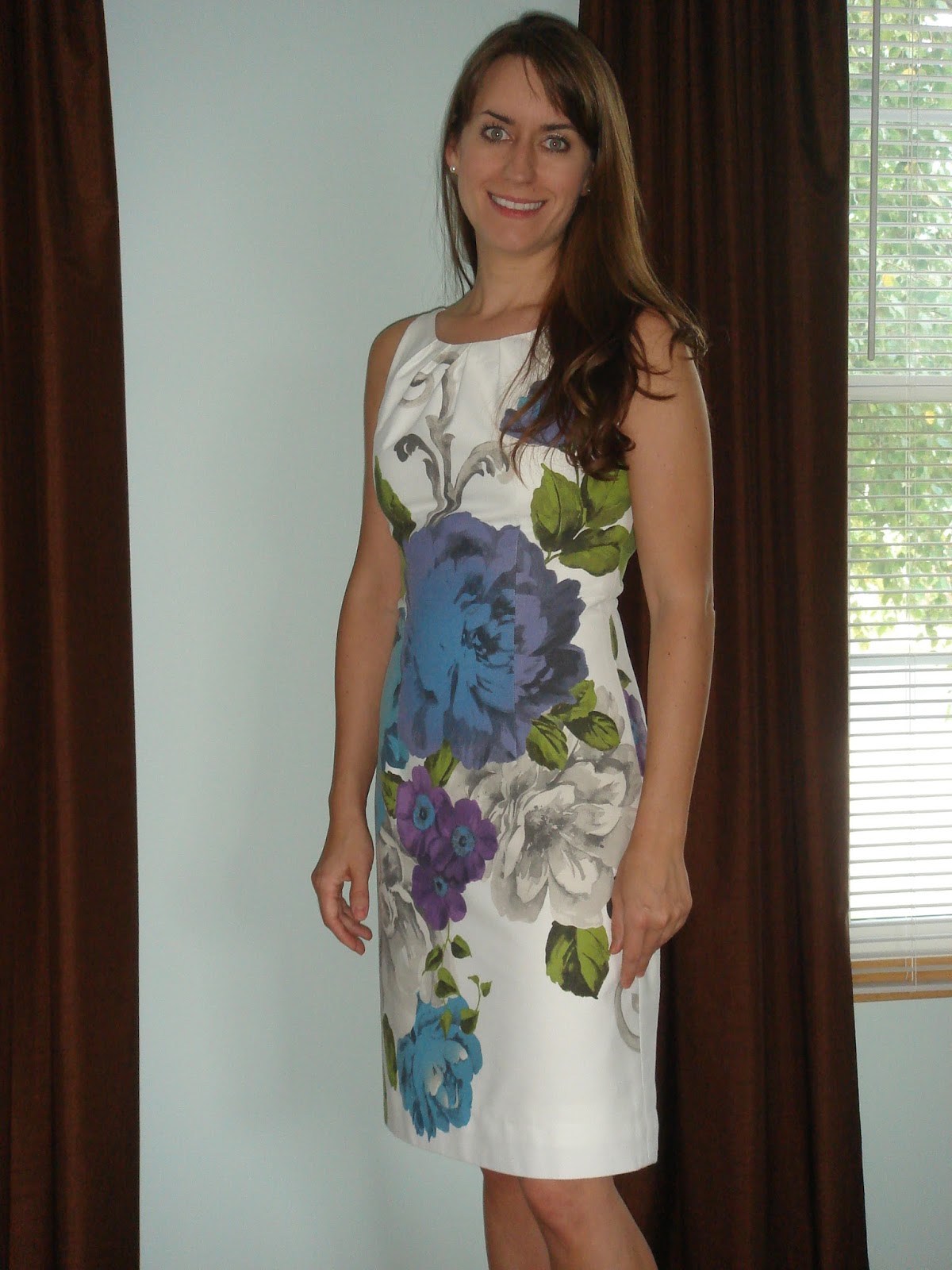
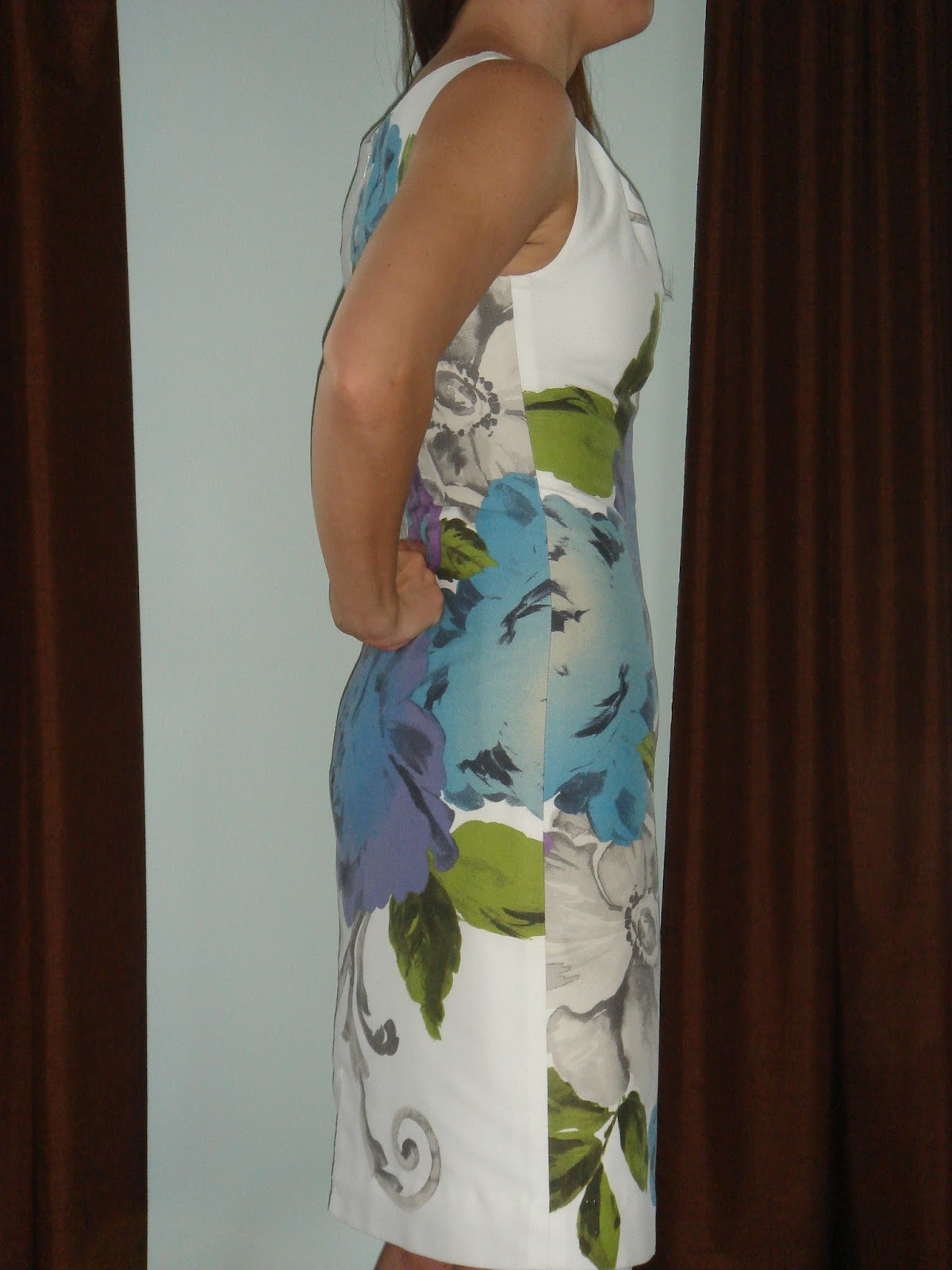
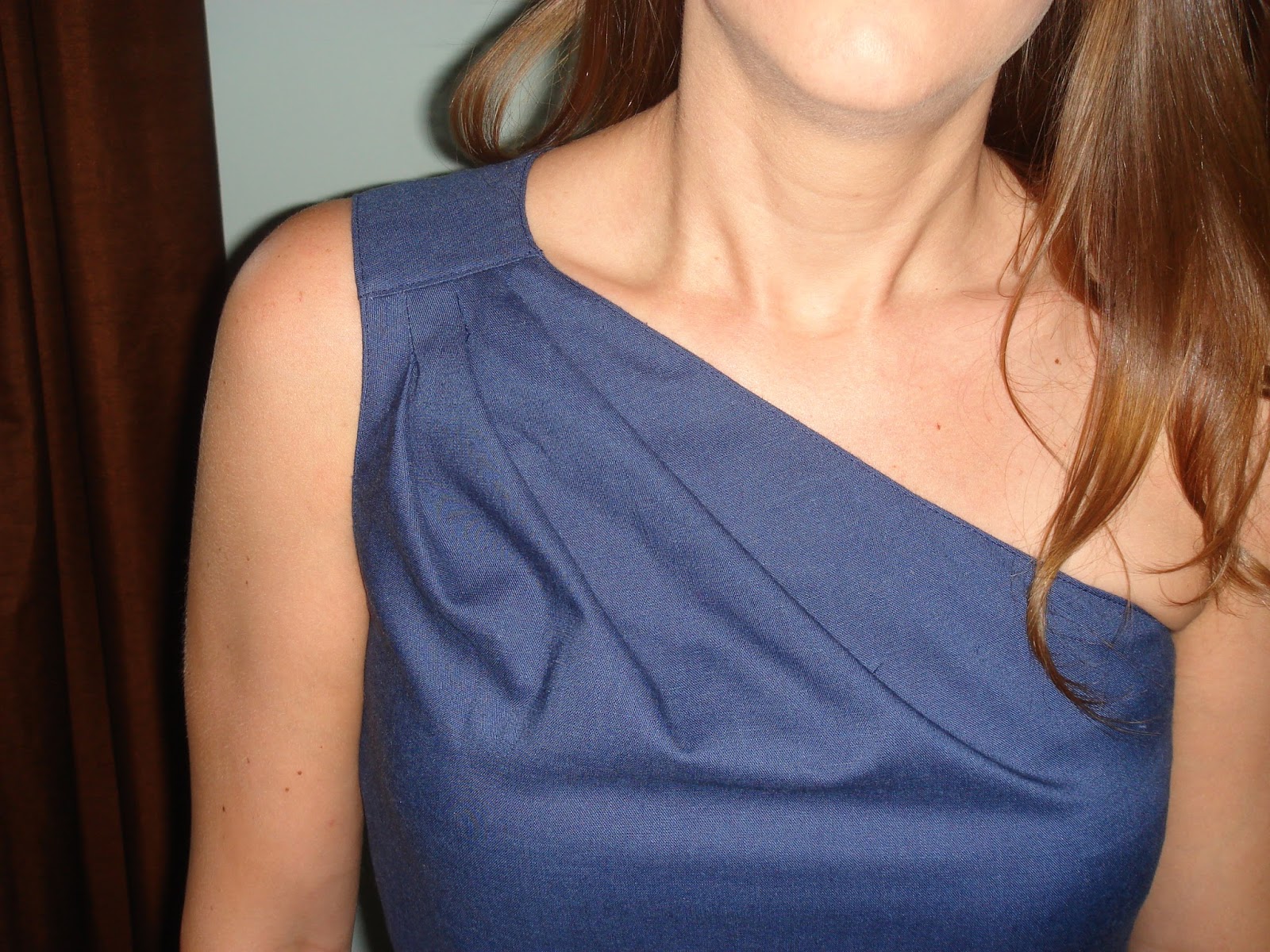
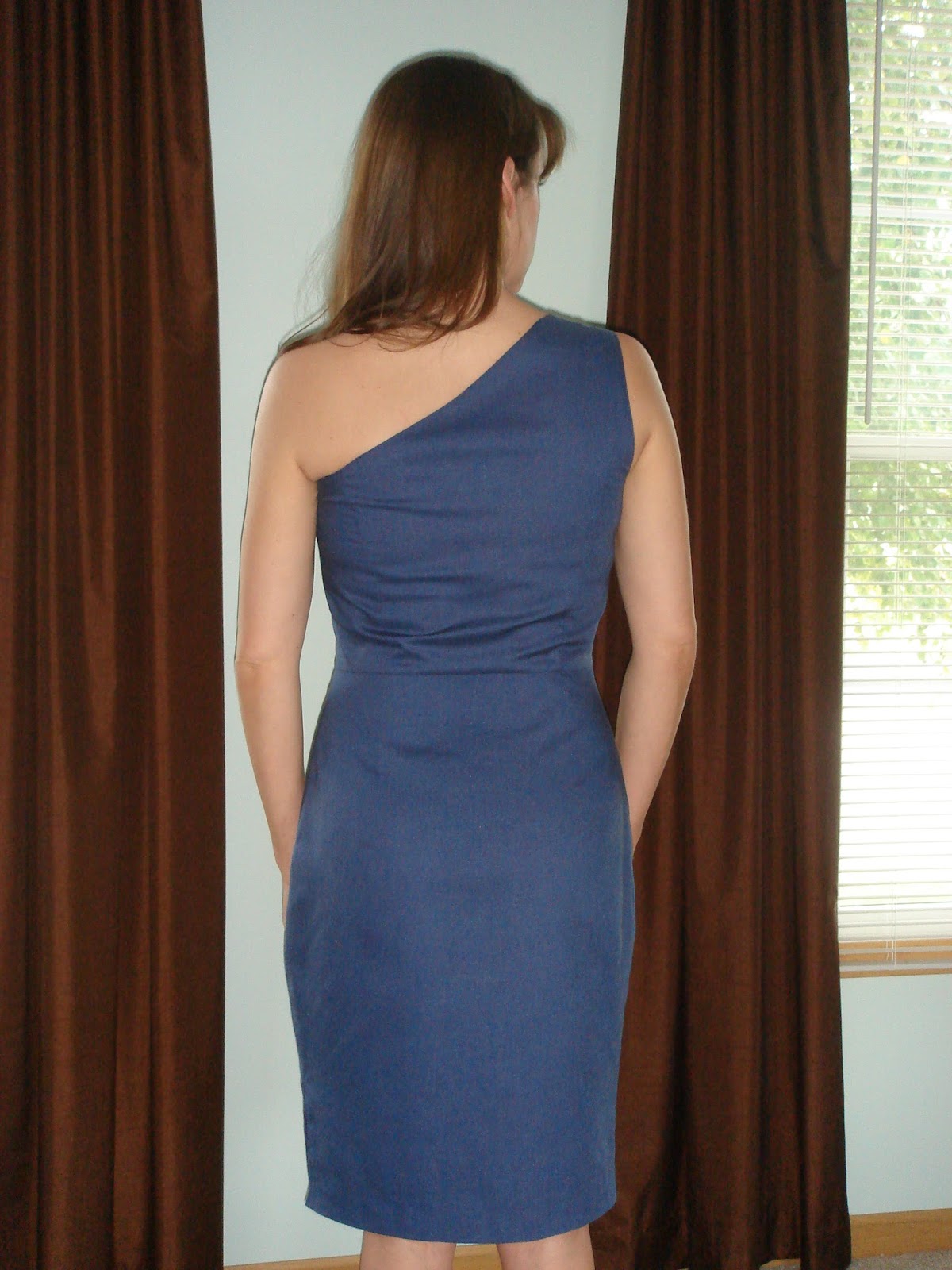
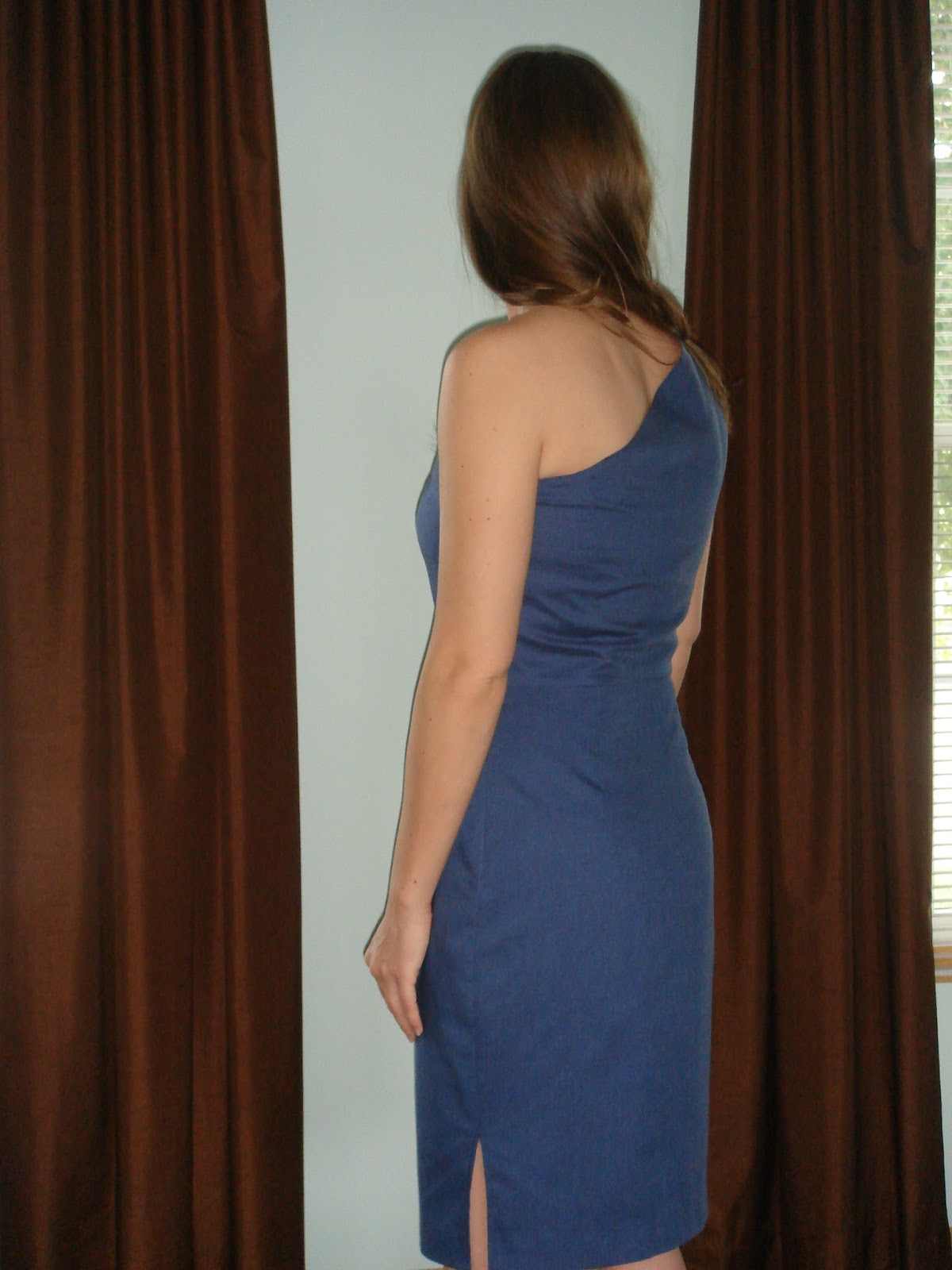
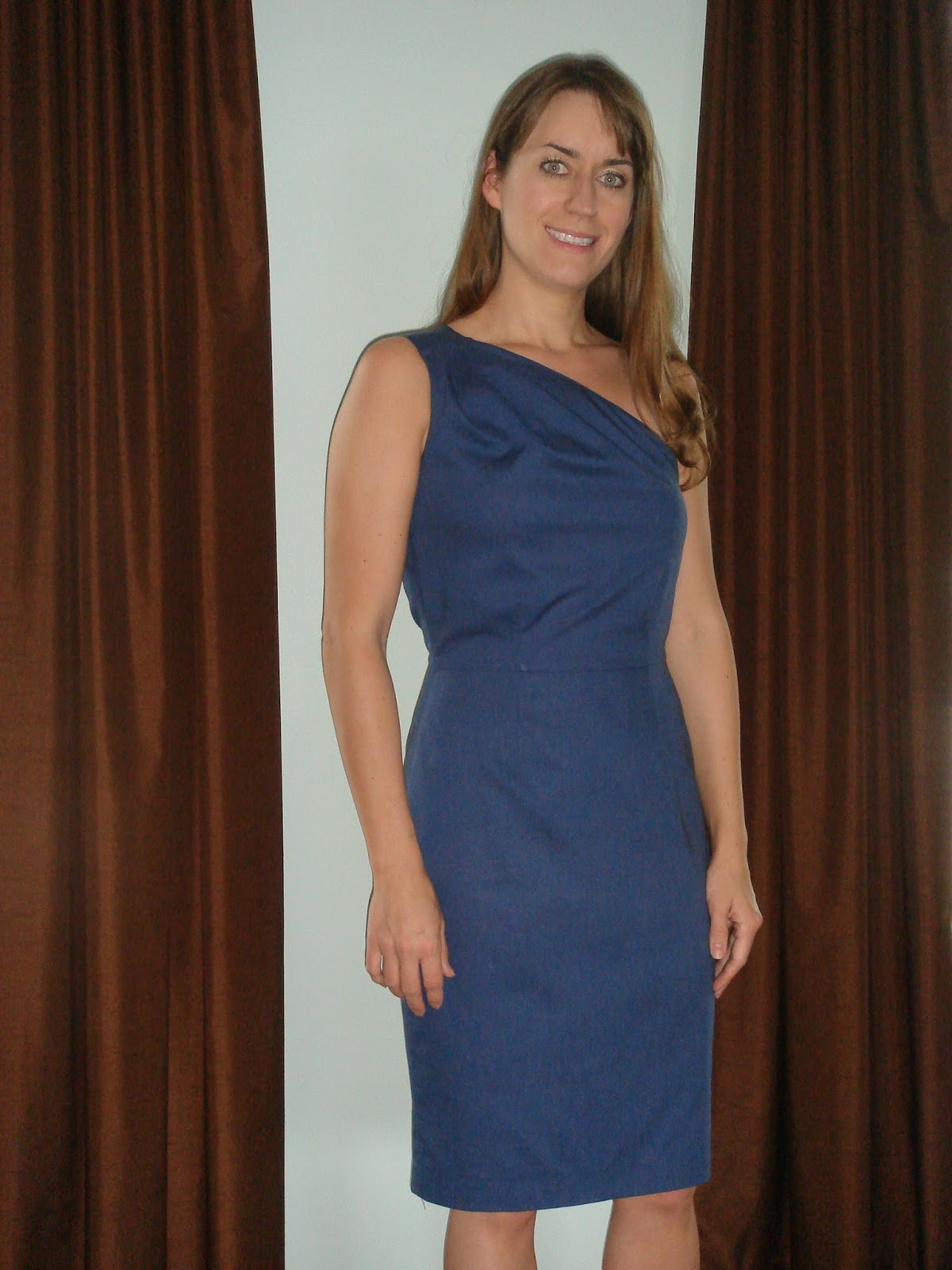
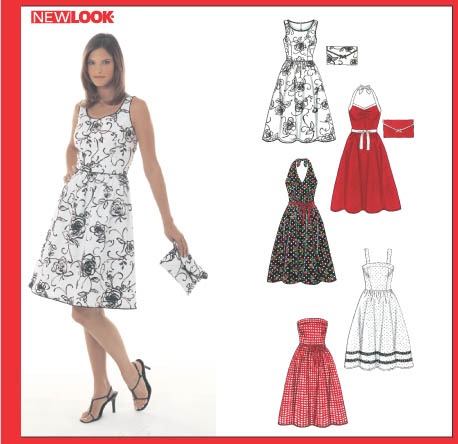
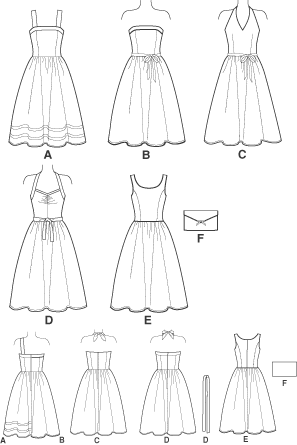
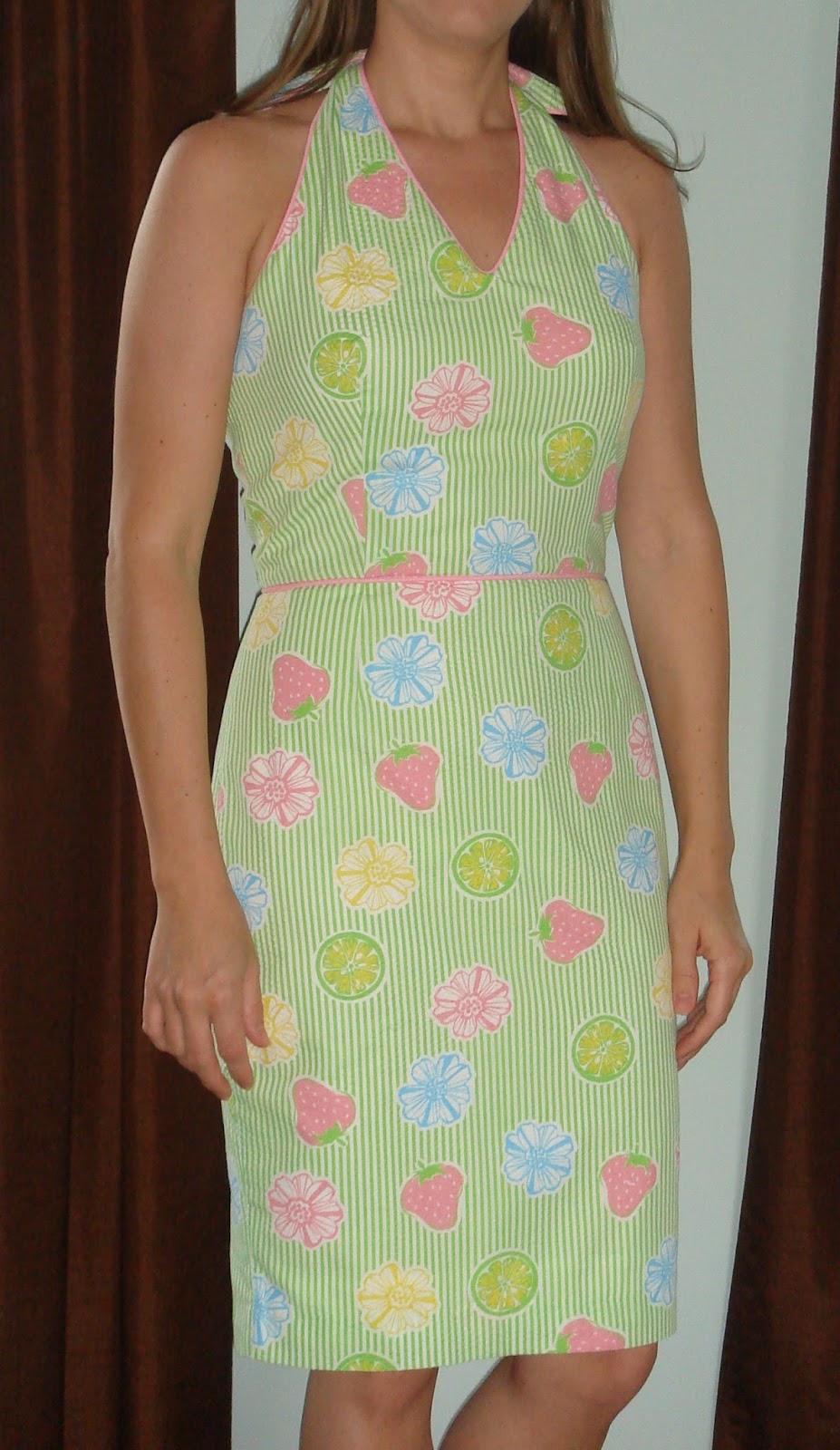
My sister-in-law is getting married in August, and since I have the time right now, I'm planning to make a special dress. I had several patterns that I was tossing around, so I polled the ladies on Pattern Review and OOP Vogue 9668 view C was the overwhelming winner. I didn't actually buy this pattern while it was in print but found it through some amazing reviews on PR. I had to have it! So I stalked it online to Ebay (of course) and made it mine!
I've always loved silk dupioni and planned to make this one in a green, and one of the ladies on PR recommended Silk Baron. I am delighted with their products and service. Initially I ordered samples in Brentwood and Tuscan Olive. A representative from the company contacted me to let me know that they only had one yard of Brentwood, just in case that was the fabric I choose to order yardage. Talk about service! Most places would just wait until you order and then inform you that it was no longer in available. When the samples arrived, I was in love! The quality and prices are great, and I challenge you not to drool all over your computer monitor at the gorgeous colors. With orders, you also get three additional swatches of your choice, so it may be a challenge not to create a whole wardrobe in their silks.
I made a variation on this dress before (currently a UFO) and the fit was terrible in the bodice. I'm almost a perfect 10 bodice straight from the envelope, so this was quite unusual. This dress definitely requires a muslin because the deep front and back are potential disasters of gaping and wardrobe malfunctions if not fitted properly. Those bust darts are deep (which will be evident when I finish that UFO) which creates a major bullet boob. For the dupioni, I'm going to muslin this one and change to a princess seam in the front, so that I don't blind any children. I'm also considering eliminating the center back seam and moving the zipper to the side. Let me know what you think and stay tuned as I begin the construction process!
Sew OCD
Sunday, May 5, 2013
Thursday, March 14, 2013
Sewing with Saris
For those of you who follow me on sewing.patternreview.com, I've posted the following information within various reviews. I thought it would be nice to include it in a blog entry though, so that it would be easier to find for those seeking the information.
A sari is the garment worn by Indian women that is wrapped and draped. Most are 42-45" wide and they vary in length so check item descriptions.
I buy a lot of vintage saris, mostly from Ebay, because the fabrics are just so unusual and colorful. I love using vintage too because it's like the fabric has already led one life, and I get to reclaim it and use for something completely new! Anyone who has read a few of my reviews can confirm my obsession. Below is information on the basics and how I treat them. DO NOT CONSIDER THIS EXPERT ADVICE; this is just how I proceed.
*Common fabrics are silk, "art" (artificial) silk, or cotton
*For most saris the fabric is very thin (silk chiffon to silk habotai texture) so plan on lining or underlining
*Most saris have a drape portion on one end that is 30-36" of contrasting/coordinating print. This gives you lots of interesting options for bodices, midriffs, hems, or contrast piping.
*Most saris have borders prints on the lengthwise grains. Sometimes both borders are the same, other times one is more elaborate than the other. This gives great options for hems, waistbands, necklines, etc.
*Saris vary in quality, so the cheaper ones often have off grain. Silk is no guarantee of quality
*I machine wash and dry all mine before beginning. Vintage ones often arrive with an odor, but it comes out in the wash. I despise dry cleaning, both for the expense and inconvenience, so nearly all garments I sew are machine washable. Silk is much more durable than we often give it credit for, and I now wear silk more for daily garments and not just special occasions.
*If purchasing vintage saris, don't depend on using the entire yardage. They often have undisclosed damage or stains that you'll need to work around.
*Be careful about using pre-treatments or color boosters. I'm not sure what they use to dye the fabrics, but these chemicals can have interactions that change your fabric color
*A gelatin soak can increase the fabric body and make it easier to handle during construction. Use 3 tsp gelatin to 3 liters of water (one package of gelatin is about 2 tsp) and soak the fabric for 1 hour before air drying. I confess that I make a huge batch of the gelatin and spend a day prepping multiple pieces. I also confess that I don't fully air dry; when I get bored, I toss them into the dryer on "no heat" then change to delicate. I haven't noticed any problems with ironing, even when using steam. If you pre-wash your silk, the gelatin is easily removed when laundering, returning it to it's original soft texture.
A sari is the garment worn by Indian women that is wrapped and draped. Most are 42-45" wide and they vary in length so check item descriptions.
I buy a lot of vintage saris, mostly from Ebay, because the fabrics are just so unusual and colorful. I love using vintage too because it's like the fabric has already led one life, and I get to reclaim it and use for something completely new! Anyone who has read a few of my reviews can confirm my obsession. Below is information on the basics and how I treat them. DO NOT CONSIDER THIS EXPERT ADVICE; this is just how I proceed.
*Common fabrics are silk, "art" (artificial) silk, or cotton
*For most saris the fabric is very thin (silk chiffon to silk habotai texture) so plan on lining or underlining
*Most saris have a drape portion on one end that is 30-36" of contrasting/coordinating print. This gives you lots of interesting options for bodices, midriffs, hems, or contrast piping.
*Most saris have borders prints on the lengthwise grains. Sometimes both borders are the same, other times one is more elaborate than the other. This gives great options for hems, waistbands, necklines, etc.
*Saris vary in quality, so the cheaper ones often have off grain. Silk is no guarantee of quality
*I machine wash and dry all mine before beginning. Vintage ones often arrive with an odor, but it comes out in the wash. I despise dry cleaning, both for the expense and inconvenience, so nearly all garments I sew are machine washable. Silk is much more durable than we often give it credit for, and I now wear silk more for daily garments and not just special occasions.
*If purchasing vintage saris, don't depend on using the entire yardage. They often have undisclosed damage or stains that you'll need to work around.
*Be careful about using pre-treatments or color boosters. I'm not sure what they use to dye the fabrics, but these chemicals can have interactions that change your fabric color
![]() |
| just a few of my many saris |
*A gelatin soak can increase the fabric body and make it easier to handle during construction. Use 3 tsp gelatin to 3 liters of water (one package of gelatin is about 2 tsp) and soak the fabric for 1 hour before air drying. I confess that I make a huge batch of the gelatin and spend a day prepping multiple pieces. I also confess that I don't fully air dry; when I get bored, I toss them into the dryer on "no heat" then change to delicate. I haven't noticed any problems with ironing, even when using steam. If you pre-wash your silk, the gelatin is easily removed when laundering, returning it to it's original soft texture.
Thursday, February 28, 2013
Would this be weird?
I have a shower curtain that is 100% cotton and I love the print. It is fairly large though and I wonder if it would be weird to make it into a dress?
Friday, February 15, 2013
TGIF- Thank God It's Finished!
Ok so the dress threw me a major curveball and I wasn't sure exactly how to recover the project. I finally (sort of) figured out the problem. I really worked on perfecting the fit of the muslin, but somehow that didn't translate when I cut the antique fabric. Somehow the front bodice was 1 inch smaller at the waist than the muslin, 1/2 an inch shorter at the side seam, and the skirt front was 1/4 inch WIDER at each side seam. WTF??? I credit it to distortion of the muslin fabric because the actual dress was fully underlined in broadcloth. That is the only thing I can come up with because everything matched up PERFECTLY on the finished muslin. Still, it doesn't fully make sense. I mean the muslin bodice grew, and the skirt pieces shrunk? I never make muslins, so why all the trouble after actually doing things correctly? Anyway, all the discrepancies meant a lot of unplanned ripping out on the actual dress, scratching my head, and scrambling for a fix. Anyway it's done, and I'm so happy! Here's the finished product:
I'll be the first to admit that it's not perfect. My major issue is the bust darts, there placement isn't correct and they're a bit pointy. Since it's fabric from a 1950s dress (which had majorly pointy boobs) and they were trimmed on the inside, this is as close as I could get them to fit. I hope it it's obvious to anyone who doesn't sew.
The following pictures really illustrate what I had to work with and how significant the changes were.
I applied narrow bands of interfacing (about 1 1/4 inches) to the inside of the underlining at all the armscyes and neckline edges to stabilize them and prevent gaping and distortion over time.
I did carry over a few of the vintage details:
| back |
I'll be the first to admit that it's not perfect. My major issue is the bust darts, there placement isn't correct and they're a bit pointy. Since it's fabric from a 1950s dress (which had majorly pointy boobs) and they were trimmed on the inside, this is as close as I could get them to fit. I hope it it's obvious to anyone who doesn't sew.
| original bodice front |
The following pictures really illustrate what I had to work with and how significant the changes were.
| original bodice and new underlining |
| original skirt and new underlining |
I applied narrow bands of interfacing (about 1 1/4 inches) to the inside of the underlining at all the armscyes and neckline edges to stabilize them and prevent gaping and distortion over time.
| underlining with interfacing |
I did carry over a few of the vintage details:
- lingerie carriers (original were thread, I made fabric ones)
- corded bias trim. the dress came with a tie belt that I used, unfortunately there wasn't enough to do the waistline seam or armscyes
- vent finish. This one was a great lessons that I've carried over to other dresses. The fashion fabric was finished as a standard vent, but the lining was finished like a back skirt slit! This avoids the awkward joining of the two fabrics, which can creat bulk, and is such a nice clean looking finish
- however, I changed the original lapped metal zipper for an invisible
After the wedding, I'll post pictures of me wearing the dress!
Monday, February 11, 2013
1950s dress... killing a modern woman
I was so confident going into this project. I had made multiple muslins, fine tuned the fit, and thoroughly developed my plan. I made full pattern pieces for the front so that I wouldn't have to fold the very old and beautiful vintage fabric. I carefully traced all markings to my underlining fabric so that I wouldn't have to worry about them transferring to the fashion fabric. I used the underlining as pattern pieces and placed them meticulously on the brocade and then basted them at the edges to prevent any distortion. I proceeded like this one piece at a time. I made lovely bias cord trim for the neckline and waist seam detail. I even swapped my beloved over-sized quilting pins for actual silk pins (they're impossible to find when you drop them). I fully assembled the bodice before noticing "dang this thing looks small". Then I compared it to my muslin and nearly shit my pants...
Not only is it small, it's tiny. The muslin required a bit of adjustment at the shoulder seams to ensure the angles were correct to prevent distortion of the front and back bodice. I had drafted them a bit long so that I would have enough to work with. Apparently when I transferred the changes to the paper pattern I neglected to add seam allowances??? I'm assuming this is what happened because I have no other explanation as to why they are too short. Of course this realization comes AFTER I've trimmed and clipped the heck out of the seams to get all four layers to pull through the narrow shoulders. When I realized this I nearly screamed, cried, and vomited all at the same time. I think if they occur simultaneously you also spontaneously combust.
Also the front bodice piece is 1 inch smaller at the waist than the muslin. The only thing I can come up with is that the damn muslin fabric stretched. FUCK. Mom, I hope you aren't reading this. If you had seen how much prep work I had put in to ensure the antique unreplaceable fabric wouldn't be wasted, you would probably say worse. I think my perfect fit is just wishful thinking at this point. I'm gonna have to rip this baby apart and either piece the shoulders or let them ride high. If I let out all the seams, it should *just* make the bodice large enough. This makes me wonder, I did everything like I should for once, why is the universe punishing me? Universe, you suck! I'm having a cocktail
Not only is it small, it's tiny. The muslin required a bit of adjustment at the shoulder seams to ensure the angles were correct to prevent distortion of the front and back bodice. I had drafted them a bit long so that I would have enough to work with. Apparently when I transferred the changes to the paper pattern I neglected to add seam allowances??? I'm assuming this is what happened because I have no other explanation as to why they are too short. Of course this realization comes AFTER I've trimmed and clipped the heck out of the seams to get all four layers to pull through the narrow shoulders. When I realized this I nearly screamed, cried, and vomited all at the same time. I think if they occur simultaneously you also spontaneously combust.
Also the front bodice piece is 1 inch smaller at the waist than the muslin. The only thing I can come up with is that the damn muslin fabric stretched. FUCK. Mom, I hope you aren't reading this. If you had seen how much prep work I had put in to ensure the antique unreplaceable fabric wouldn't be wasted, you would probably say worse. I think my perfect fit is just wishful thinking at this point. I'm gonna have to rip this baby apart and either piece the shoulders or let them ride high. If I let out all the seams, it should *just* make the bodice large enough. This makes me wonder, I did everything like I should for once, why is the universe punishing me? Universe, you suck! I'm having a cocktail
Saturday, February 9, 2013
1950s dress inspirations
Before I started this project I spent more hours than I'll ever admit drooling over gorgeous vintage dresses and patterns on Ebay. I wanted a finished project that felt retro without being so literal that it would limit its wearing potential (cause it's gonna be a crap ton of work). These were some of my favorites:
I really like the contrast front and back neckline shapes. With the roses in my fabric, I think I want something soft and rounded for the front and maybe the V neckline for the back.
I was so incredibly happy with the fit of Butterick 5455; you can read the full review which includes the various changes on my first version. The line drawing below shows how simple and classic the back is.
I think this may be a good starting point for the back. The front was a bit more difficult. I had drafted/frankenpatterened several bodice options until realized that the French darts on the bodice were trimmed. Eeek. So much for all of those lovely options... I was having trouble visualizing the proper way to manipulate them and wanted a pattern to compare. Even though I'm a hoarder of patterns, I only had one, ONE, with a french darted bodice, Vogue 8725.
I haven't made this dress yet, so I wasn't exactly sure about the fit. This dress wasn't an exact match for the Butterick, and even though I cut the same size (10 in the bodice and waist grading down very small on the hips), the Vogue required shaving and additional 1/4 inch off each side seam. I've adjusted the bodice darts several times and had to reduce the front darts on the skirt because they were creating too much poof in the tummy. The final adjustment was the hem; I pegged it 3/4 of an inch. This really helped create more visual curve at the hip which also emphasizes the waist. Before these changes, the dress technically fit and had an appropriate amount of ease, but I basically looked like a barrel with linebacker shoulders. I had to make quite a few adjustments to the Vogue for what I needed, but it was a good starting point and after 3 front bodice muslins and 2 front skirt muslins, I think I've hammered out the fitting! Now on to cutting up all that glorious fabric...
![]() |
| I LOVE this one, but don't have enough fabric for the extended shoulders |
I was so incredibly happy with the fit of Butterick 5455; you can read the full review which includes the various changes on my first version. The line drawing below shows how simple and classic the back is.
![]() |
| Butterick 5455 line drawing (now OOP) |
![]() |
| Vogue 8725 line drawing |
Saturday, February 2, 2013
McCalls 5621- Not the simple project I hoped for
I needed a break from the vintage brocade dress and wanted some instant gratification so I pulled out my old copy of McCall's 5621 which is now OOP
I made this quite a few years ago in a lightweight eggplant linen with stitching detail on the yoke. I loved it so much that I actually altered it to fit me now, because I have lost quite a bit of weight since its original creation. The smallest size in my envelope was a 10, which is my normal bodice size. I've learned through sewing that I'm actually an inverted triangle and for fitted dresses, usually need a 9 in the waist and a smaller than they make for the hips (maybe a 6) depending on how fitted I want it.
I wasn't sure what the fit would be like straight from the envelope, so I traced front and back darts in case I needed them for shaping. I used a silk sari (as this blog progresses, you'll see that this is more the norm than the exception) and underlined with a lightweight khaki poly/cotton broadcloth. I know some of you are cringing that I used a blend under the silk, but I wanted something to help prevent wrinkling.
Changes I made:
- cut the back on the fold to not disrupt my border print and cut on the crosswise grain
- underlined all the pieces, facings included, since the silk it too thin and lightweight on its own
- front and back darts for shape
- people hate facings, but I didn't want stitches on the outside from using bias tape, so I used facings. Since it's underlined, I can add a few stitches to keep them from crawling out, without catching the fashion fabric
A couple of issues:
I like how they have you insert the yoke pieces by machine (versus turning the edges under by hand and then sewing it on) but really hate all the slip stitching this creates to finish the yoke lining. I HATE hand stitching. On my creations you will not find:
- hand picked zippers
- hand sewn hems
- and as little hand work as possible
I often change the assembly process to create an all machine clean finish when possible. I think its closer to RTW finishes and saves me a lot of hassle. For sleeveless dresses this is easy, just leave the side seams for last and sew the neckline and armscye fashion fabric to the lining. Open out the dress and then you can sew the lining and fashion fabric as one continuous seam and not have to bother with all that silly hand work. Maybe this makes me lazy, but I don't care. I waited until there were some old Law & Orders on TV (Briscoe and Green are still my favorite) to do all that finicky hand stitching.
Back to the issues of this dress. It was a giant silk potato sack even with the addition of front darts (the back darts only half count since I eliminated the contoured back seam), and it looked like crap. The shoulders extend out way too far. This is sometimes the case on patterns that come with an optional sleeve. I removed 1/2 inch at the outer edge of the shoulder plus 1/4+ inch all the way around the armscye. I tapered in the side seams 1/2 inch at the waist and 3/4 of an inch through the length and it still wasn't enough. I'm starting to hate this thing.
| pinned together on my dress form Dolly- looks much better on her |
Subscribe to:
Posts (Atom)